
From FX reforms to the Rise of Multi Payment Platforms, here’s how the first half of the year reshaped the business payments landscape. At Waza, we’re focused on one mission—making business payments easy. Whether you’re a multinational, a technology startup, an importer in Lagos, or an exporter in Nairobi, we believe that seamless, reliable payments are the bedrock of economic progress.
In the first half of 2025, we witnessed a series of significant shifts in how businesses move money, manage treasury, and navigate cross-border trade in Nigeria and across Africa. These changes weren’t just driven by technology; they were also shaped by macroeconomic pressures, regulatory reforms, and the evolving demands of African businesses. Here are 10 key trends that defined business payments in H1 2025—and what they signal for the rest of the year and beyond.
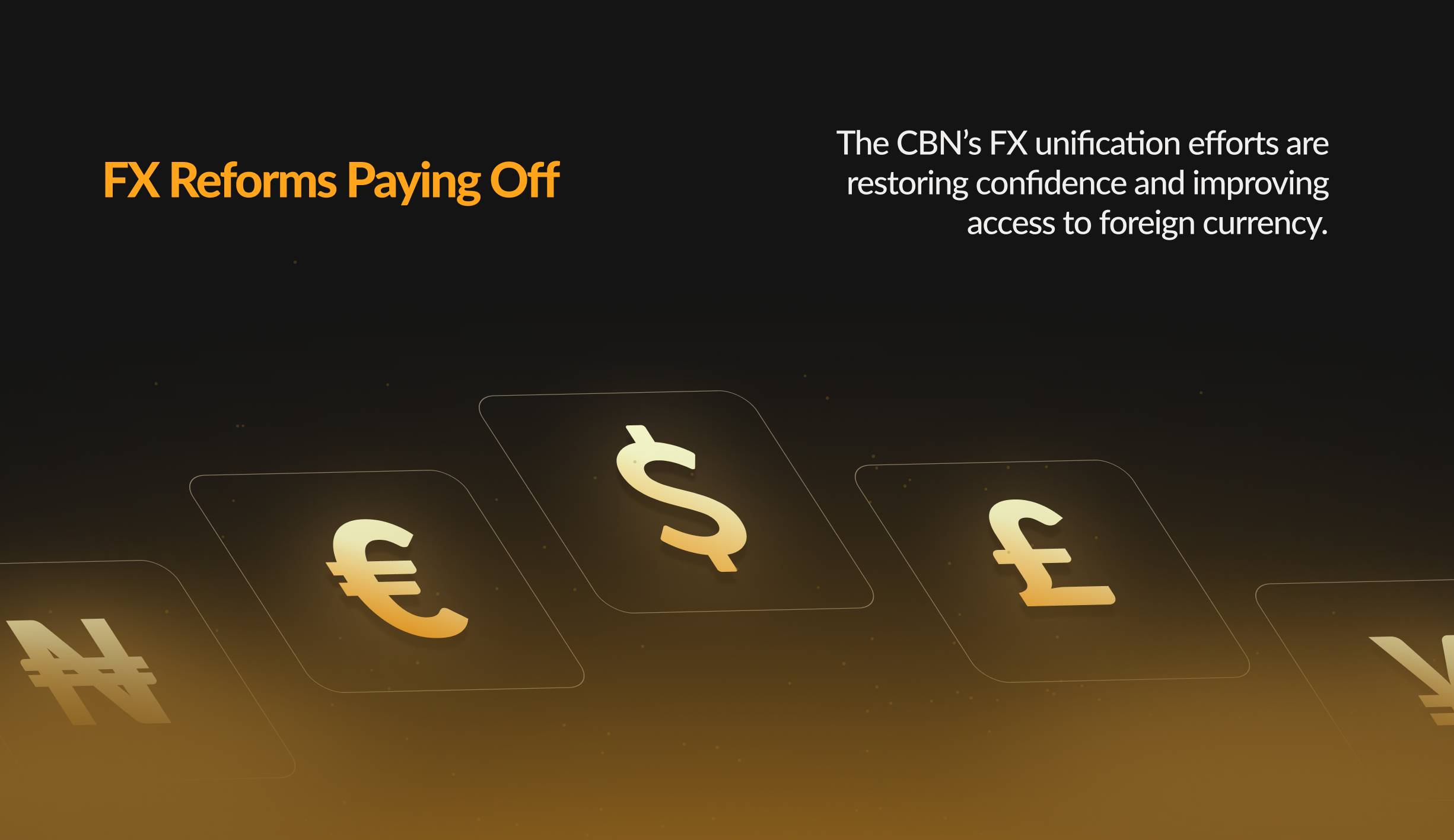
1. FX Reforms Paying Off
Over the past 24 months, the Central Bank of Nigeria (CBN) has made bold moves to stabilize the FX market: floating the naira, unifying multiple exchange rate windows, and allowing greater market participation in pricing. While these reforms initially led to volatility, market confidence is gradually returning. FX availability has improved, and early signs of rate convergence between the official and parallel markets are emerging. Businesses are now enjoying faster access to foreign currency and fewer delays in international settlements.
Corporate finance teams are shifting from a defensive posture to more proactive FX planning—optimizing treasury strategies and increasing payment predictability.
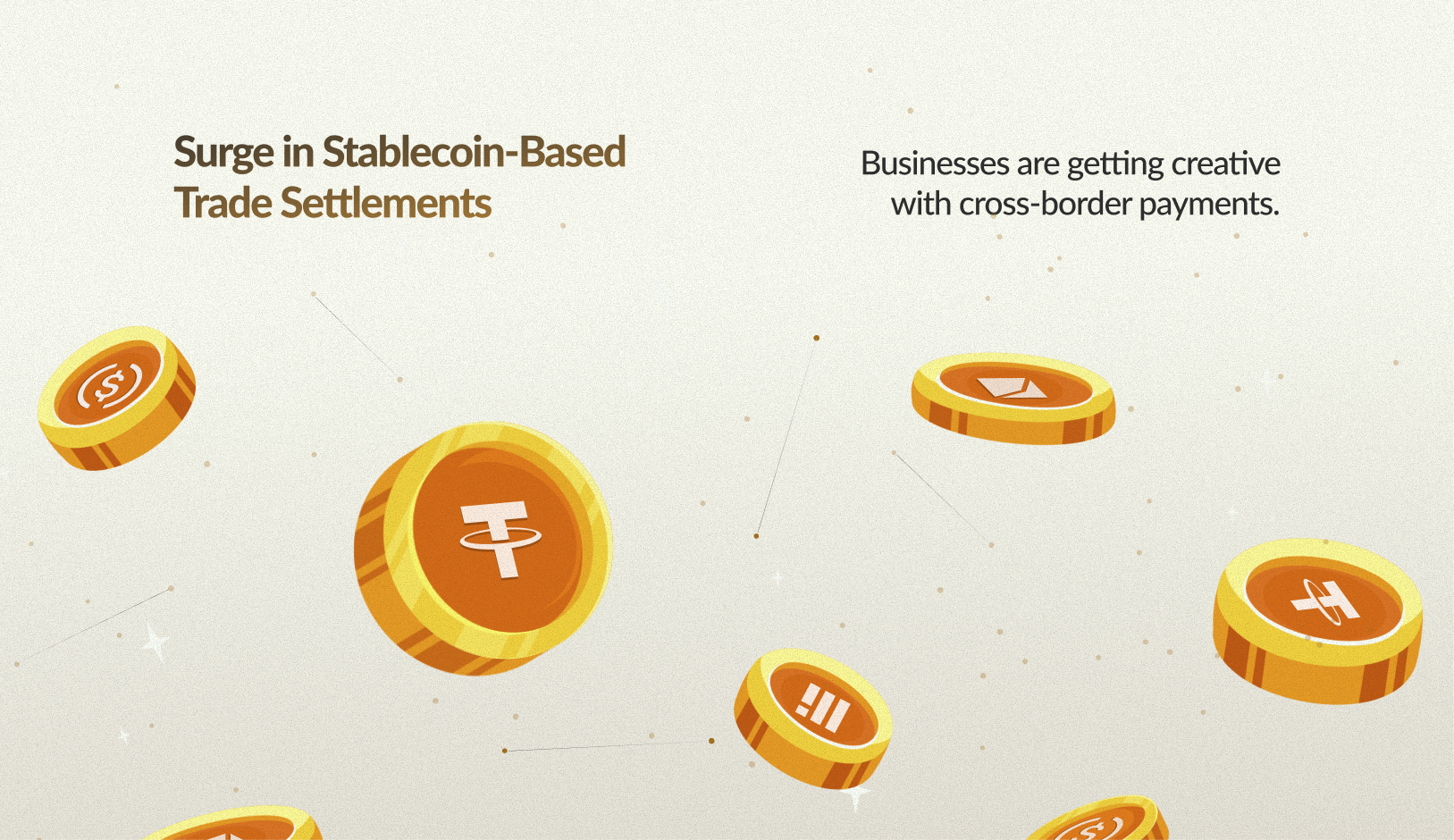
2. Surge in Stablecoin-Based Trade Settlements
Amid lingering bank delays and FX access challenges, more businesses (especially importers and digital exporters) have turned to stablecoins like USDT and USDC to settle international payments. What was once seen as experimental is becoming mainstream. Stablecoin rails offer speed, transparency, and 24/7 global settlement, making them a viable alternative in corridors where traditional banking infrastructure falls short.

3. Rise of Multi-Rail Payment Platforms
From fintech startups to multinational corporates, businesses are demanding greater flexibility in how they send and receive money. Platforms that support multiple payment rails—SWIFT, local bank transfers, mobile money, and crypto—are becoming essential. This multi-rail strategy helps businesses bypass bottlenecks and choose the most efficient route per transaction, improving both speed and cost management.

4. Regulatory Momentum Across the Continent
Across Africa, regulators are tightening oversight and updating licensing frameworks to better govern digital payments and cross-border transactions. In Nigeria, the CBN issued new guidelines for IMTOs, domiciliary accounts, and international B2B payments, prompting many businesses to re-evaluate their payment setups. Kenya, Ghana, and South Africa are also revising policies, signalling a regional shift toward regulatory maturity and greater compliance expectations for payment platforms.

5. Corporate Treasury Goes Digital
Finance teams are rapidly modernizing, moving away from manual processes and spreadsheets toward cloud-based treasury systems and integrated payment tools. These tools enable businesses to automate FX conversions, reconcile multi-currency payments in real time, and maintain visibility over cash positions across entities. Digitization is especially critical for startups, exporters, and multinationals operating in multiple jurisdictions.
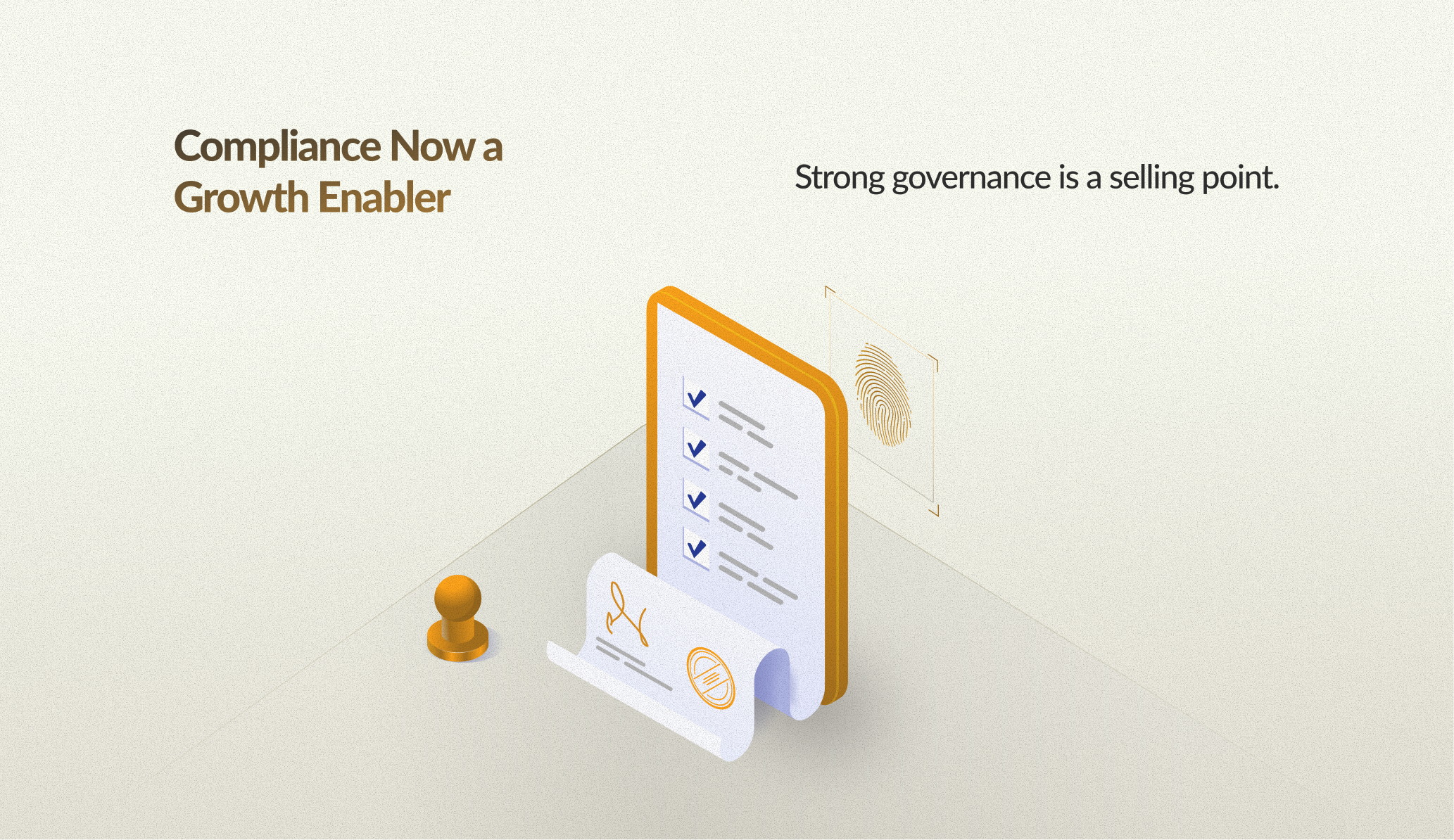
6. Compliance Becomes a Growth Lever
In a global landscape where transparency, traceability, and governance are non-negotiable, robust compliance has become a growth enabler: not just a regulatory box to tick. African businesses with strong KYC, AML, and transaction monitoring frameworks are better positioned to access global financial infrastructure, attract international partners, and unlock scalable payment corridors with less friction.
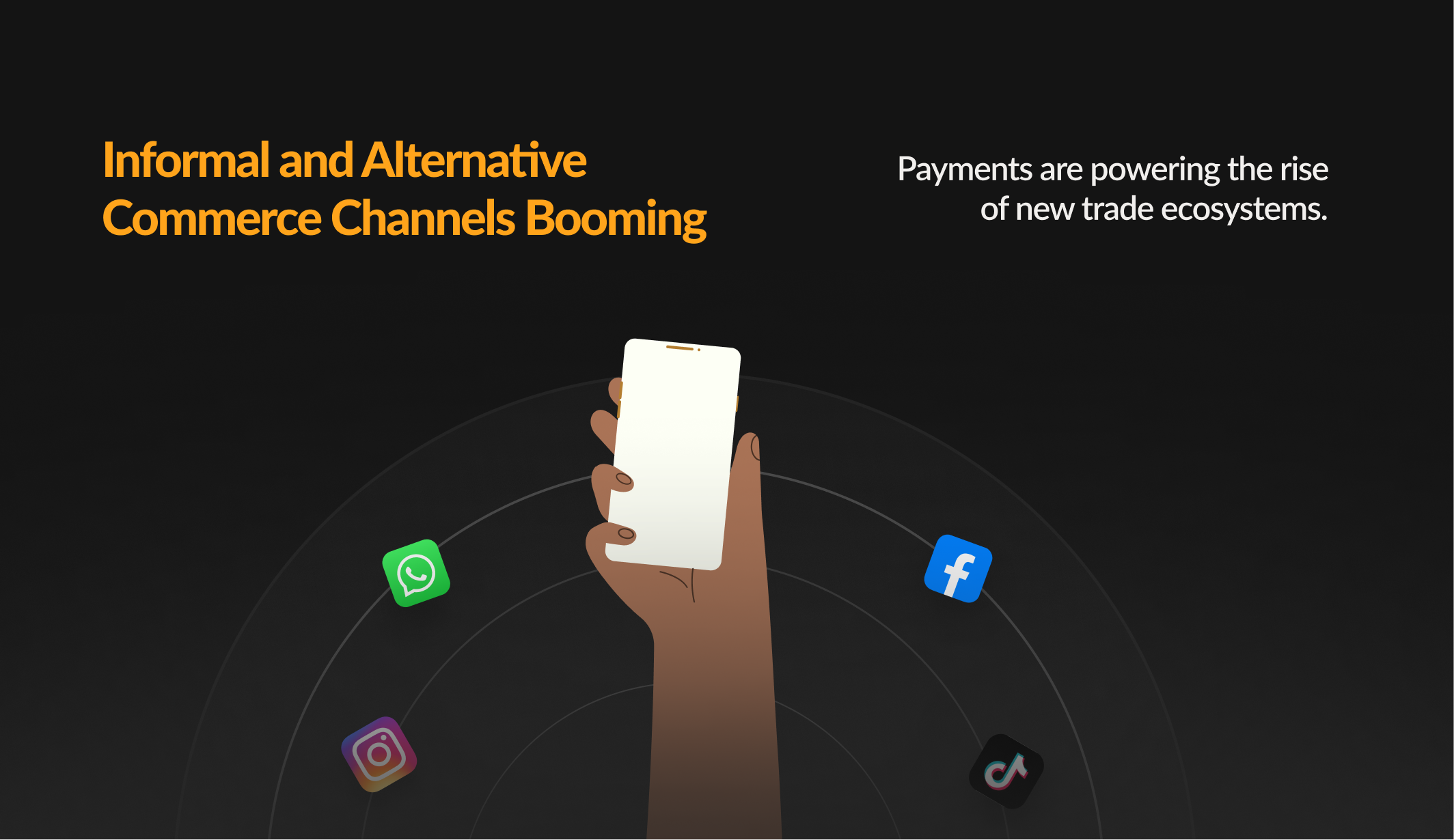
7. Informal & Alternative Commerce Channels Keep Booming
Social commerce and informal trade continue to surge across Africa. From Instagram boutiques in Lagos to TikTok sellers in Accra, businesses are closing deals in non-traditional environments and fintech tools are stepping up to power these payments. Mobile money, digital wallets, and cross-border apps are enabling traders to accept payments, pay vendors, and manage basic treasury functions—all without a traditional bank account.

8. Fintech–Bank Collaboration Reaches New Heights
Gone are the days of banks vs fintechs. In 2025, we’re seeing increased partnerships between traditional banks and payment platforms, especially in the B2B segment. Banks are leaning on fintechs for faster FX settlement, real-time transaction visibility, embedded payment infrastructure, and access to underserved business segments. These collaborations are creating stronger, more resilient ecosystems that benefit African businesses at scale.
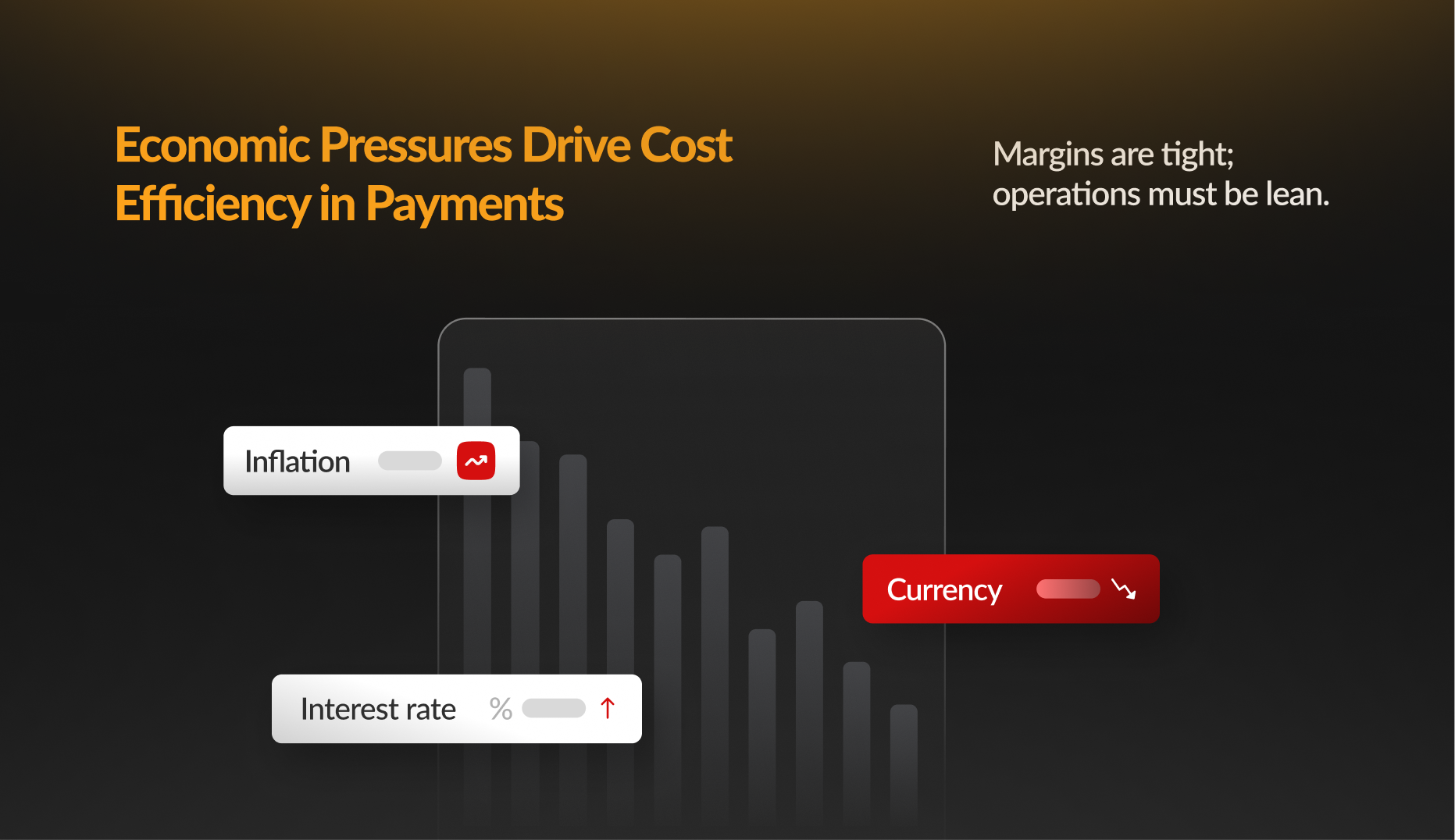
9. Economic Pressures Make Efficiency Non-Negotiable
With inflation staying high, interest rates elevated, and currencies under pressure, businesses are more focused than ever on cost efficiency. Payments are no exception. CFOs and finance teams are looking for platforms that offer better FX rates, real-time payment approvals, bulk payout automation, and complete fee transparency—making treasury operations leaner and more strategic.
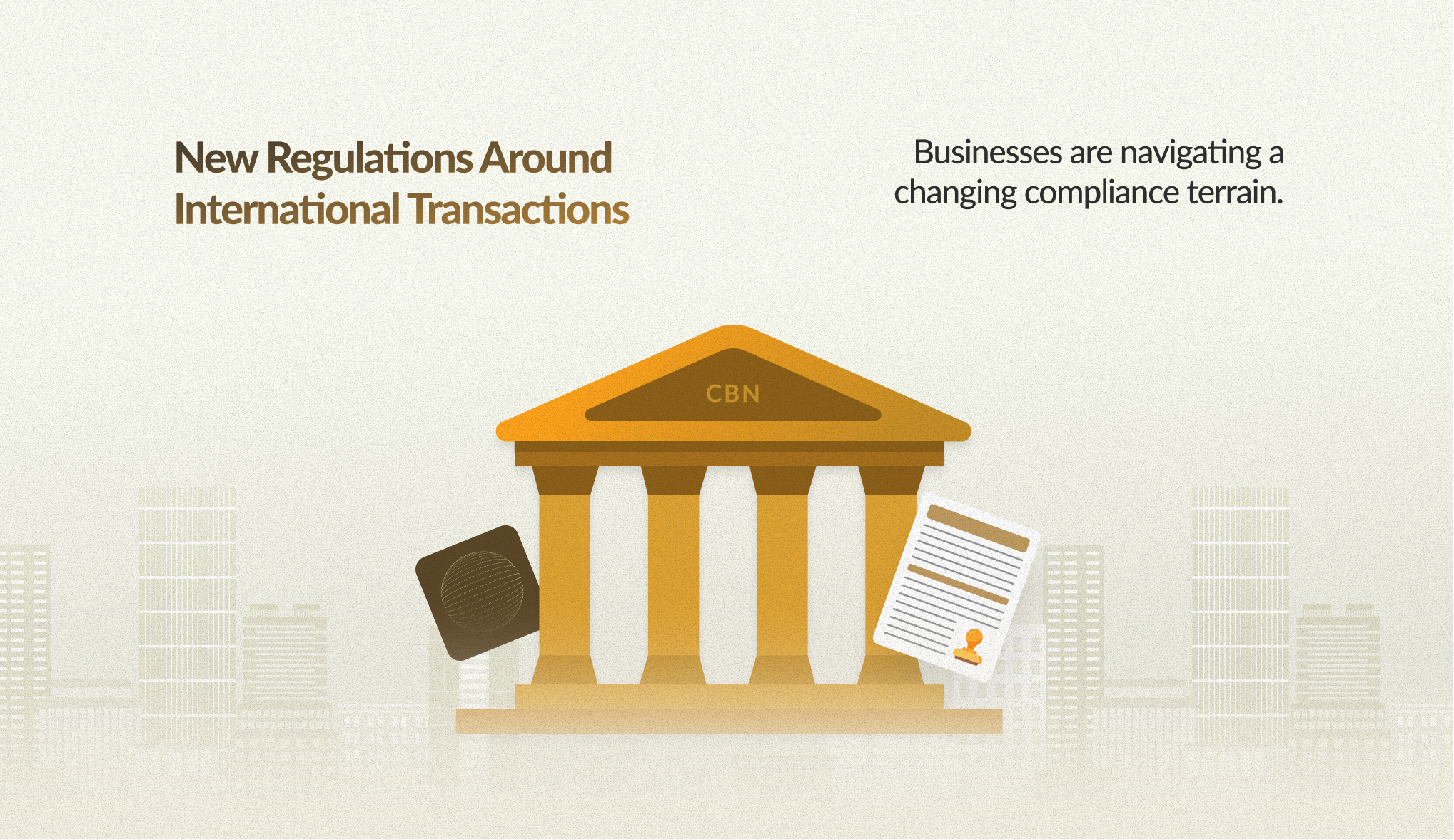
10. International Transaction Rules Evolve
New CBN guidelines on foreign inflows, remittance documentation, and domiciliary account usage are changing how Nigerian businesses structure international payments. These changes require businesses to adjust their invoicing, partner banking relationships, and payment flows to remain compliant. Many are now prioritizing payment providers who offer built-in compliance and regulatory clarity alongside speed and efficiency.
Bringing It Together: What This Means for the Second Half of 2025.
The first half of 2025 was defined by reform, adjustment, and growing sophistication in how African businesses manage payments. From FX strategy to regulatory compliance, companies across the continent are rethinking how money moves—and how it should work better. Unchanged: The first half of 2025 was defined by reform, adjustment, and growing sophistication in how African businesses manage payments. From FX strategy to regulatory compliance, companies across the continent are rethinking how money moves—and how it should work better.
As we settle into H2, the opportunity is clear: Businesses that embrace smarter, faster, and more flexible payment models will be better positioned to scale, de-risk, and lead across borders. As we settle into H2, the opportunity is clear: Businesses that embrace smarter, faster, and more flexible payment models will be better positioned to scale, de-risk, and lead across borders.
At Waza, we’re building the infrastructure to power this new era of growth. At Waza, we’re building the infrastructure to power this new era of growth. Whether you’re paying global suppliers, settling FX, managing treasury, or collecting revenues, our platform is built to help you move money: faster, smarter, and with full compliance assurance.